
Exploring the Elegance of Muslim Clothing from Turkey
Turkey, a country straddling two continents, has a rich and diverse cultural heritage that is reflected in its clothing. The evolution of Muslim clothing in Turkey is a fascinating narrative that weaves together history, tradition, and modernity. From simple daily wear to elegant attire for special occasions, Turkish Muslim clothing is marked by an embrace of both modesty and style. In this article, we will delve into the main styles, fabrics, trends, and where to find exquisite clothing pieces, including options available at muslim clothing from turkey https://turanline.com/muslim_clothing.
The Historical Context of Turkish Muslim Clothing
The roots of Turkish clothing can be traced back to the Ottoman Empire, which lasted for over six centuries. During this period, there was a major fusion of cultures, including Persian, Arab, and Byzantine influences, which shaped the styles of clothing that emerged. Traditional garments were often adorned with intricate embroidery and luxurious fabrics, showcasing the wearer’s status and wealth.
After the fall of the Ottoman Empire in the 20th century, Turkish society underwent significant modernization and secularization. This had a profound impact on clothing styles, particularly among Muslim women, who began to adopt more contemporary fashions while still adhering to the principles of modesty.
Styles of Muslim Clothing in Turkey
Today, Turkish Muslim clothing is characterized by a wide array of styles that cater to different tastes and occasions. Here are some popular garment types:
1. Hijabs and Headscarves
One of the most recognizable aspects of Muslim women’s fashion is the hijab, which is worn to cover the hair and neck. Turkish hijabs are often made from lightweight, breathable fabrics and come in a variety of colors and patterns. Stylishly wrapped and pinned, they can transform a simple outfit into a fashion statement.
2. Abayas and Kaftans
Abayas, traditional long dresses, are popular choices for both everyday wear and formal occasions. Often made from flowing fabrics and adorned with embroidery or embellishments, they provide a beautiful and modest option for women. Kaftans, too, are favored for their elegance and comfort, often worn at weddings and celebrations.
3. Tunics and Maxi Dresses
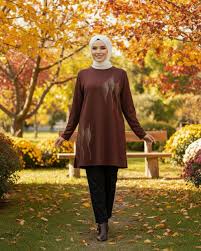
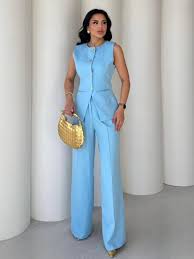
Tunics paired with trousers or maxi dresses are another staple in Turkish Muslim clothing. These pieces offer a blend of style and modesty, making them suitable for both casual outings and more formal events. The designs can range from simple and classic to vibrant and contemporary.
4. Men’s Clothing
Muslim men’s clothing in Turkey often consists of long tunics, baggy pants, and traditional caps known as ‘fes’ or ‘kefiyeh.’ These outfits provide modest coverage while also ensuring comfort. Traditional garments like the ‘shalwar,’ a type of loose-fitting trouser, are also quite popular.
Fabrics and Colors
The choice of fabric plays a significant role in the appeal of Turkish Muslim clothing. Natural fabrics such as cotton, linen, and silk are favored for their breathability and comfort, especially in warmer climates. In addition, the colors and patterns used vary widely—ranging from soft pastels to bold, vibrant hues that reflect the wearer’s personality and style.
Current Trends in Muslim Clothing
As fashion evolves, so too does Muslim clothing. Contemporary Turkish designers are increasingly experimenting with cuts, colors, and materials to create modern interpretations of traditional garments. Oversized silhouettes, layering, and unique accessories that add a modern twist to classic pieces are very much in vogue.
Furthermore, sustainable fashion is gaining traction, with many designers turning to eco-friendly materials and ethical production methods, appealing to the conscientious consumer without compromising on style.
Where to Shop for Turkish Muslim Clothing
For those looking to embrace Turkish fashion, there are myriad shopping options. From local boutiques in Istanbul’s Grand Bazaar to online retailers, like the one mentioned earlier, shoppers can find a diverse range of styles that fit their needs. Furthermore, participating in local craft fairs and fashion exhibitions can offer a unique opportunity to find one-of-a-kind pieces while supporting local artisans.
Conclusion
Turkish Muslim clothing is an emblem of tradition meeting modernity, where heritage influences contemporary designs. As the world evolves, so does the fabric of society, and Turkish fashion is a testament to this progress. Whether you’re dressing for an occasion or looking for everyday comfort, the vibrant world of Turkish Muslim clothing provides something for everyone. It’s not just about modesty; it’s about expressing individual style through beautiful fabrics, intricate designs, and a deep-rooted cultural heritage.